Serious
Rodent-Contaminated Attic Insulation
Roof rats and mice tunnel through attic insulation and nest in it, leaving droppings and urine behind. Contaminated insulation loses much of its R-value, gives off a persistent odor and can carry pathogens into living spaces through ceiling penetrations and return ducts.
Why it happens: San Diego's canyon system puts thousands of homes right next to rodent habitat. Neighborhoods along the Mission Hills, Kensington and Normal Heights canyons, Mount Helix in La Mesa and the Otay areas of Chula Vista see heavy roof rat activity. The mild climate means rodents breed year-round instead of dying back in winter. Older homes with gaps at the eaves, tired vent screens and loose-fill insulation give them easy entry and a warm place to nest.
Signs:
- Scratching or scurrying overhead at night
- Musty or ammonia-like odor in upstairs rooms
- Droppings visible near the attic hatch
- Tunnels or flattened trails in loose-fill insulation
- Chewed wiring or duct wrap
- Allergy symptoms that get worse indoors
Local patterns: We see this most in canyon-edge homes in Kensington, Mission Hills, North Park and around Mount Helix in La Mesa. Post-war ranch homes in Clairemont and National City with original vent screens are also frequent offenders.
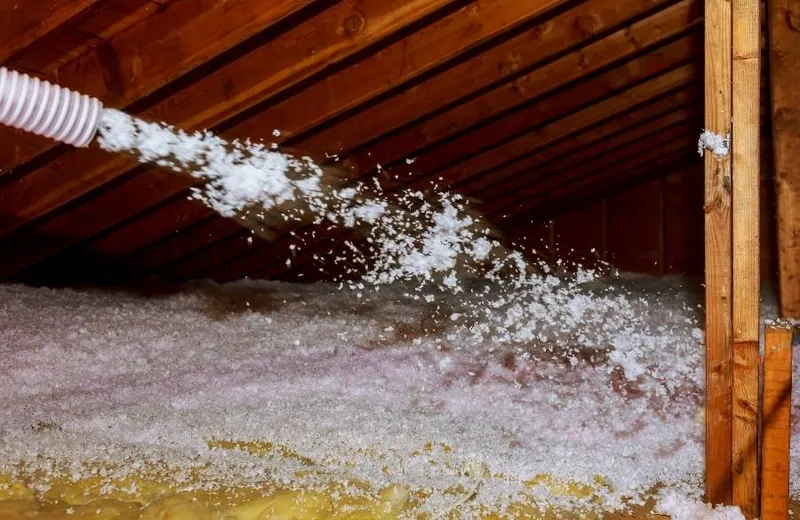
Our fix: Full vacuum removal of the contaminated insulation, then sanitizing and deodorizing the attic, sealing rodent entry points with exclusion work, and re-insulating with fresh blown-in insulation to current R-values.
Moderate
Thin or Settled Post-War Attic Insulation
Many homes still have their original R-11 or thinner attic insulation, and decades of settling have left it even thinner. Today's Title 24 targets for altered attics run about R-38 to R-49, so many San Diego attics have a quarter or less of what's recommended.
Why it happens: Builders put up tens of thousands of tract homes between 1946 and 1975, when energy was cheap and AC was rare. Since then, roofers, cable installers and HVAC techs have walked through and compressed what little insulation those attics had. Inland heat and SDG&E's high rates make the shortfall expensive. On a 95 °F day in La Mesa, a thinly insulated ceiling lets in heat all afternoon, and your AC runs into the evening to keep up.
Signs:
- Ceiling joists visible above the insulation
- Ceilings warm to the touch on hot afternoons
- AC running nonstop on inland heat days
- Summer bills spiking from August through October
- Uneven temperatures room to room
- Insulation depth under 4 inches
Local patterns: This is the most common issue in Clairemont, Serra Mesa, Allied Gardens, San Carlos, Del Cerro, Paradise Hills, western Chula Vista and most of La Mesa, especially single-story stucco ranch homes with low-slope roofs.
Our fix: We air-seal the attic floor, add baffles to keep soffit vents clear, then blow in insulation to R-38 or R-49 depending on your climate zone and goals.
Serious
Overheated Attic Ducts and Rooms That Won't Cool
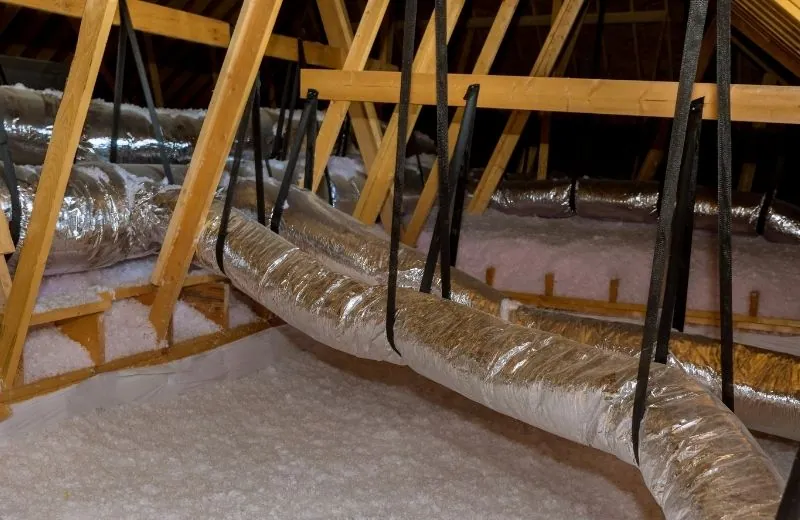
When central AC was added to an older home after it was built, the ducts usually went into the attic. In 130 °F attic air, poorly insulated or leaky ducts lose much of their cooling before it ever reaches your rooms.
Why it happens: Many San Diego homes were built without central air and had it added decades later. The cheapest route for the ducts was through the attic. Inland in Climate Zone 10, attic air can sit above 130 °F for hours. Add disconnected joints, crushed flex duct and thin duct wrap, and upstairs or west-facing rooms simply never catch up during a heat wave or Santa Ana event.
Signs:
- Weak airflow from the farthest registers
- West-facing rooms 5–10 °F warmer than the rest of the house
- AC that runs constantly but never reaches the set temperature
- Dust streaks around ceiling registers
- Visibly crushed or disconnected flex duct in the attic
Local patterns: This is common in La Mesa, the eastern San Diego neighborhoods and Mission Valley-area homes, and in two-story 1980s–90s stucco houses where upstairs bedrooms bake. Retrofits with added AC in North Park and Normal Heights are frequent offenders too.
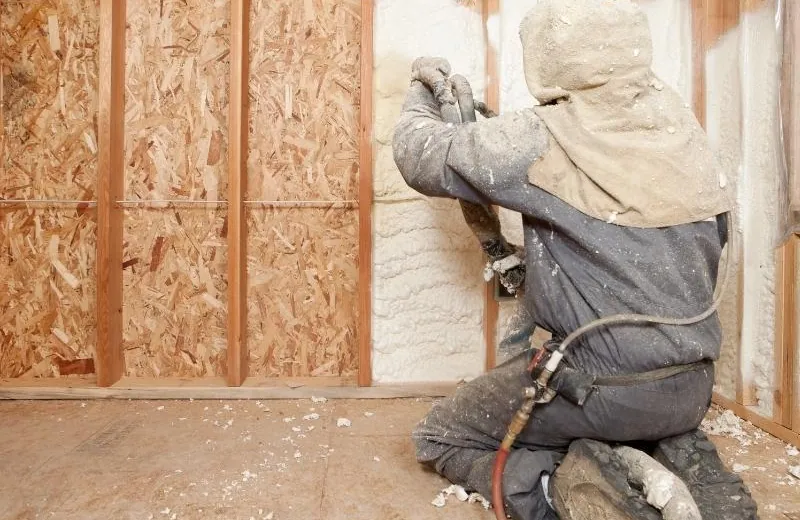
Our fix: We seal and insulate the ductwork, add deep blown-in coverage over and around it, or convert to a spray foam roof-deck assembly that keeps the ducts inside conditioned space.
Emergency
Suspect Vermiculite or Hazardous Legacy Materials
Insulation installed before 1980 may contain asbestos-containing vermiculite, which looks like gray-brown or gold pebbly granules. Older homes may also have asbestos duct wrap or knob-and-tube wiring that's unsafe to bury under insulation.
Why it happens: San Diego has a lot of pre-1980 housing, from 1920s bungalows to 1960s tracts, and many of those homes have been re-roofed or re-plumbed without anyone checking the attic. Disturbing vermiculite can release fibers into living spaces. Removal falls under San Diego County APCD Rule 1206 and Cal/OSHA. Knob-and-tube wiring, still found in older North Park, Golden Hill and Coronado Village homes, can overheat when insulation covers it.
Signs:
- Pebbly, lightweight granules in gray, brown or gold
- Old cloth-like wrap on ductwork
- Porcelain knobs and tubes carrying wiring across joists
- Home built before 1980 with no renovation records
- Crumbling material near the attic hatch
Local patterns: We see this most in pre-war homes in North Park, South Park, Golden Hill, Kensington, National City's older core and La Mesa Village, and in early post-war homes in Clairemont and Bay Park.
Our fix: We stop work and recommend lab testing. Licensed abatement is required if results come back positive, and an electrician evaluates any knob-and-tube wiring. We insulate only after the space is confirmed safe.
Moderate
Damp, Mildewed Coastal Attics
Marine-layer humidity condenses on cool roof decking and in insulation overnight. Damp fiberglass compresses and loses R-value, roof sheathing grows mildew, and metal fasteners, vents and ducts rust faster than they should.
Why it happens: May Gray and June Gloom put moist ocean air over the coast for weeks at a time. In Coronado, Point Loma, National City and the bayfront, salt air adds corrosion on top of the moisture. Blocked soffit vents, bath fans that vent into the attic and poorly balanced ventilation trap that moisture. More insulation without matching ventilation can make it worse.
Signs:
- Black or gray spotting on roof sheathing
- Rusty nail tips poking through the deck
- Musty smell in closets and upstairs rooms
- Matted, damp-looking fiberglass
- Corroded vent screens or duct straps
- Bath fans that vent into the attic instead of outside
Local patterns: This shows up most in Coronado Village, Point Loma, Ocean Beach, the bayfront areas of National City and west Chula Vista, and military housing near the base, particularly in summer.
Our fix: We remove damaged insulation, correct ventilation and bath-fan venting, clear soffit baffles, and re-insulate with materials and an air-sealing approach suited to coastal moisture.
Minor
Uninsulated Crawlspaces and Cold Raised Floors
Many older homes sit on raised wood floors over vented crawlspaces with no insulation under the floor. That means cold floors on winter mornings, drafts, and moisture and odors coming up into the house.
Why it happens: Pre-1940 bungalows and many early post-war homes were built on raised foundations with open vents and no underfloor insulation. Coastal nights in the mid-40s don't sound cold, but bare wood floors over a damp, ventilated crawlspace feel chilly from November through March. Rodents use these spaces too, and termite work often leaves the area disturbed.
Signs:
- Cold floors in winter, especially in bathrooms
- Drafts at baseboards
- Musty odors coming from below
- Visible subfloor with no insulation
- Higher heating use on coastal winter mornings
Local patterns: This is common in Craftsman and Spanish Revival homes in North Park, University Heights, Normal Heights, Mission Hills and Coronado, and in raised-foundation post-war homes in La Mesa and National City.
Our fix: We install fitted underfloor batts with proper supports, seal plumbing and duct penetrations, and recommend crawlspace moisture fixes where needed.
Moderate
Termite and Fumigation Damage to Insulation
Termite tenting, spot treatments and wood repairs often leave attic insulation trampled, displaced or mixed with debris and frass. That leaves gaps that let in heat.
Why it happens: Drywood and subterranean termites are widespread across San Diego County, and fumigation tents are a common sight in older neighborhoods. Pest crews and carpenters have to get to the framing, and the insulation usually gets pushed aside or crushed. Repaired areas are often never re-insulated, which leaves bare patches over bedrooms and hallways.
Signs:
- Bare patches where insulation was pushed aside
- Termite frass (pellets) mixed into insulation
- New lumber sistered onto old rafters
- Footpaths compressed across the attic
- Recent fumigation or wood repair
Local patterns: This is frequent in older wood-framed homes throughout North Park, Golden Hill, Kensington, La Mesa and National City, often after a home sale triggers a termite inspection.
Our fix: We remove debris-laden insulation, vacuum the attic clean, air-seal around repaired framing and install new insulation to a uniform, code-appropriate depth.